


Robotic weight loss surgery is one of the most advanced, precise, and minimally invasive options available to patients struggling with severe obesity. But not everyone is the right candidate, and understanding who benefits most from this approach can help you make a confident, informed decision about your health.
At our practice, with locations in Port Jefferson, Riverhead, and Huntington Station, Dr. Arif Ahmad and his team perform robotic bariatric surgery at the highest level. Dr. Ahmad is a recognized Master Surgeon in Robotic Surgery, awarded by the Surgical Review Corporation, and is widely regarded as one of the world's pioneers in robotic bariatric technique. In this post, we walk through exactly who qualifies, what the process involves, and why Long Island patients choose robotic surgery over traditional approaches.
What Is Robotic Weight Loss Surgery?
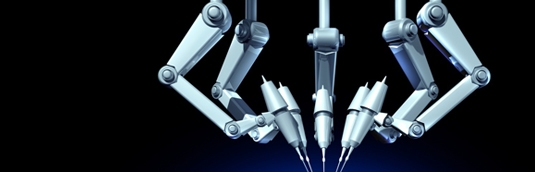
Robotic weight loss surgery uses a surgeon-controlled robotic system, most commonly the da Vinci Surgical System, to perform bariatric procedures through a series of small incisions. Unlike open surgery, the robotic platform gives the surgeon an enhanced three-dimensional view of the operative field and instruments with a far greater range of motion than the human hand alone.
The result: greater precision, less blood loss, less trauma to surrounding tissue, reduced scarring, and a faster recovery for the patient.
Dr. Ahmad performs the following bariatric procedures using robotic-assisted techniques:
- Robotic Sleeve Gastrectomy – Reduction of the stomach to roughly 20% of its original size, limiting food intake and reducing hunger hormones
- Robotic Gastric Bypass (Roux-en-Y) – Creation of a small stomach pouch connected directly to the small intestine, bypassing most of the stomach
- Robotic Revisional Bariatric Surgery – Correction or modification of a prior bariatric procedure, where robotic precision is especially valuable in scar tissue
- MagDI™ Procedure – New York's first incision-free, suture-free bariatric technique, now available at Mather Hospital through Dr. Ahmad
Who Is a Good Candidate for Robotic Weight Loss Surgery?
1. Patients with a BMI of 40 or Higher
The most straightforward qualification for bariatric surgery, robotic or otherwise, is a Body Mass Index (BMI) of 40 or above. At this level, the health risks of obesity significantly outweigh the risks of surgery, and weight loss through diet and medication alone is rarely sufficient or sustainable long-term.
2. Patients with a BMI of 35–39 and Obesity-Related Health Conditions
Patients with a BMI between 35 and 39 may also be strong candidates if they have one or more serious obesity-related comorbidities, including:
- Type 2 diabetes
- Obstructive sleep apnea
- High blood pressure (hypertension)
- High cholesterol or triglycerides
- Severe acid reflux (GERD)
- Non-alcoholic fatty liver disease (NAFLD)
- Heart disease risk factors
- Osteoarthritis or joint disease caused or worsened by excess weight
In many cases, bariatric surgery not only promotes weight loss, it produces significant improvement or even full remission of these conditions.
3. Patients Who Have Tried and Failed Conventional Weight Loss
Most insurance plans, and most clinical guidelines, require that patients have made documented, good-faith attempts at weight loss through diet, exercise, and behavioral modification before qualifying for bariatric surgery. If you've tried structured programs, prescription medications, or medically supervised weight loss without achieving lasting results, you are likely a strong surgical candidate.
4. Patients Who Prefer a Minimally Invasive Approach
Robotic surgery is particularly well-suited for patients who:
- Want the smallest possible incisions and minimal visible scarring
- Are concerned about recovery time and want to return to normal activity faster
- Have had prior abdominal surgeries and have scar tissue that requires careful navigation
- Have a higher BMI, where robotic precision reduces operative risk
Dr. Ahmad's practice also offers virtually scarless bariatric surgery for appropriate candidates, where all incisions are hidden within the navel.
5. Patients Requiring Revisional Bariatric Surgery
If you've had a prior weight loss procedure, such as a gastric band, sleeve gastrectomy, or gastric bypass, and experienced complications, insufficient weight loss, or weight regain, robotic revisional surgery may be the right next step. The enhanced precision and visualization of robotic systems makes revision surgery safer and more effective than traditional laparoscopic approaches in many cases.
6. Adolescent Patients Who Meet Clinical Criteria
Dr. Ahmad offers dedicated adolescent bariatric programs for younger patients with severe obesity whose growth and development have been evaluated. Robotic techniques are particularly well-suited for adolescents due to their precision and minimally invasive nature.
Who May Not Be a Candidate?
Not every patient is ready for robotic bariatric surgery at the time of their first consultation. Factors that may delay or prevent candidacy include:
- Uncontrolled psychiatric conditions – Patients must be psychologically stable and demonstrate an understanding of the lifestyle changes surgery requires
- Active substance use – Most programs require a period of sobriety before surgery
- Certain high-risk medical conditions – Some cardiovascular or pulmonary conditions may need to be addressed before surgery is safe
- Lack of commitment to post-operative changes – Surgery is a powerful tool, but long-term success depends on nutrition, activity, and follow-up
- BMI below 35 – Patients in this range may be better served by medical weight loss or the Endoscopic Sleeve Gastroplasty (ESG) procedure
If you don't qualify today, our team will work with you on a plan, whether that's a medically supervised weight loss program, medications, or addressing an underlying condition, to get you to a point where surgery is safe and appropriate.
What Is the Evaluation Process?
Before any robotic bariatric procedure, patients at our Long Island practice go through a comprehensive pre-operative evaluation that includes:
- In-depth consultation with Dr. Ahmad or one of our bariatric surgeons
- BMI and body composition assessment
- Blood work and metabolic panels to evaluate overall health and nutritional status
- Cardiac and pulmonary clearance if indicated
- Nutritional counseling with our registered dietitian
- Psychological evaluation to confirm readiness for surgery and post-operative lifestyle changes
- Insurance pre-authorization support from our dedicated team
Patients are also encouraged to attend our free bariatric weight loss seminars, where Dr. Ahmad and his team walk through procedures, results, and what to expect giving you a chance to ask questions before committing to anything.
Robotic vs. Laparoscopic Bariatric Surgery: Key Differences and Advantages
Both robotic and standard laparoscopic surgery are minimally invasive and vastly superior to open surgery. However, the robotic platform offers distinct advantages:
| Feature | Laparoscopic | Robotic |
|---|---|---|
| Visualization | 2D camera | 3D high-definition, magnified view |
| Instrument range of motion | Limited by trocar angles | 540° articulation (wristed instruments) |
| Tremor filtering | None | Built-in motion scaling |
| Precision in tight spaces | Good | Excellent |
| Ideal for revisional cases | Adequate | Superior |
| Scarring | Minimal | Minimal to virtually none |
| Recovery time | Fast | Fast to slightly faster |
For complex cases, including high-BMI patients, prior abdominal surgeries, or revisional procedures, the robotic approach is often the preferred choice.
Frequently Asked Questions
Is robotic surgery safer than laparoscopic bariatric surgery?
Both approaches have excellent safety profiles in experienced hands. Robotic surgery offers additional precision and visualization that can reduce the risk of complications in complex cases. Dr. Ahmad holds a Surgeon of Excellence in Robotic Surgery designation from the Surgical Review Corporation, reflecting his outcomes and volume of robotic procedures performed.
How long is the recovery after robotic bariatric surgery?
Most patients are discharged within one to two days after surgery and return to light activity within one to two weeks. Full recovery typically takes three to six weeks depending on the procedure. Many patients report less post-operative pain compared to traditional open surgery.
Will my insurance cover robotic bariatric surgery?
Many major insurance plans cover bariatric surgery, including robotic approaches, when medical necessity criteria are met. Our team handles pre-authorization and documentation to help maximize your coverage. Financing options are also available for self-pay patients.
How much weight will I lose with robotic bariatric surgery?
Results vary patient to patient and depend on the procedure, your starting weight, and how closely you follow post-operative guidelines. On average, robotic sleeve gastrectomy and gastric bypass patients lose 50–80% of their excess body weight within 12 to 18 months. Most patients also see significant improvement or remission of obesity-related conditions like Type 2 diabetes and sleep apnea.
What is the MagDI™ procedure and am I a candidate?
The MagDI™ (Magnetic Duodeno-Ileal Bypass) is a revolutionary new bariatric technique that requires no incisions and no sutures. Dr. Ahmad performed the first MagDI™ procedure in the state of New York at Mather Hospital. Candidacy for the MagDI™ is evaluated on an individual basis, schedule a consultation to learn whether you qualify.
Do I need a referral to see Dr. Ahmad?
In most cases, no referral is required for an initial consultation. Contact our office or schedule online to get started. We serve patients from across Long Island including Smithtown, Commack, Huntington, Babylon, and beyond.
Can I still have robotic surgery if I've had abdominal surgery before?
Yes, and in many cases, prior abdominal surgery makes robotic technique the preferred approach. The enhanced visualization and precise instrumentation of robotic surgery allows Dr. Ahmad to safely navigate scar tissue and adhesions that can complicate standard laparoscopic procedures.
Why Long Island Patients Choose Dr. Ahmad for Robotic Bariatric Surgery
There are many surgeons on Long Island, but very few with Dr. Ahmad's depth of experience and formal recognition in robotic bariatric technique. Here's what sets our practice apart:
- Master Surgeon in Robotic Surgery (Surgical Review Corporation)
- Master Surgeon in Metabolic and Bariatric Surgery (Surgical Review Corporation)
- Surgeon of Excellence in Robotic Surgery
- Center of Excellence in Metabolic & Bariatric Surgery at Mather Hospital
- 15,000+ bariatric, general, and endoscopic surgeries performed
- Internationally recognized — invited to present on robotic bariatric surgery worldwide
- Named "Leader in Weight Loss" by TIME Magazine
- Full multidisciplinary support team: dietitians, behavioral specialists, and long-term follow-up care
- Three convenient Long Island locations: Port Jefferson, Riverhead, and Huntington Station
Our practice is not a weight loss center that happens to do surgery. We are a dedicated surgical center of excellence where robotic bariatric surgery is our highest-volume specialty, and our results reflect that.
Take the First Step
If you're living with severe obesity and have been wondering whether robotic weight loss surgery could change your life, the best next step is a personalized consultation with our team. We'll evaluate your health, answer your questions honestly, and help you decide if — and when — surgery is right for you.
Practice Locations
Port Jefferson | 625 Belle Terre Road, Suite 202, Port Jefferson, NY 11777
Riverhead | 800 Old Country Road, Riverhead, NY 11901
Huntington Station | 33 Walt Whitman Road, Huntington Station, NY 11746
Proudly serving Port Jefferson, Riverhead, Huntington Station, Smithtown, Commack, Babylon, and patients throughout Long Island, NY.
Arif Ahmad, MD, FACS, FRCS is a board-certified bariatric, laparoscopic, and robotic surgeon and one of the world's foremost experts in minimally invasive weight loss surgery. Based on Long Island, New York, Dr. Ahmad has performed more than 15,000 bariatric, general, and endoscopic procedures over the course of his career, including approximately 10,000 bariatric surgeries, earning a reputation for exceptional outcomes and an unwavering commitment to patient safety.