



For people who have tried diet after diet without lasting success, the frustration can feel endless. Weight regain isn't a matter of willpower, it's often biology working against sustained effort. Minimally invasive weight loss surgery has changed what's possible for patients who need a more powerful, lasting tool. Understanding how these procedures actually work is the first step toward deciding if one might be right for you.
Why Traditional Weight Loss Methods Often Fall Short
The body has a remarkable ability to resist weight loss through hormonal changes that increase hunger and slow metabolism after significant dieting. This is why so many people regain weight even after successful short-term efforts. For patients with obesity-related health conditions like type 2 diabetes, sleep apnea, or joint pain, the stakes of this cycle are especially high. Surgical intervention isn't about taking the easy way out. It addresses the underlying physiology that makes sustained weight loss so difficult through diet alone.
The Shift From Open Surgery to Minimally Invasive Techniques
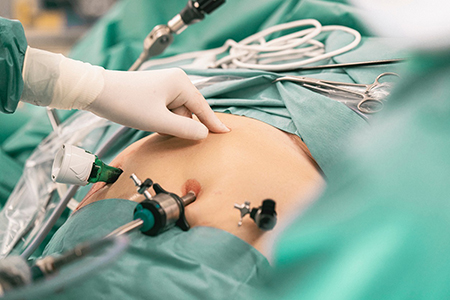
Weight loss surgery once meant large incisions, extended hospital stays, and lengthy recoveries. Today, the vast majority of procedures are performed laparoscopically, using several small incisions and a camera to guide instruments, or robotically, which offers surgeons even greater precision and control in tight anatomical spaces. These advances mean less pain, smaller scars, lower infection risk, and a faster return to daily life compared to older surgical approaches.
Common Procedures and How They Work
Sleeve gastrectomy remains one of the most frequently performed procedures. It involves removing a large portion of the stomach, leaving a narrow tube-shaped sleeve that limits food intake while also reducing hunger-related hormones. Gastric bypass, a slightly more complex operation, both restricts stomach size and reroutes part of the digestive tract, which can be especially effective for patients with significant metabolic disease alongside excess weight.
For patients seeking non-surgical alternatives, endoscopic sleeve gastroplasty offers a way to reduce stomach volume using sutures placed through an endoscope, without any external incisions at all. The intragastric balloon is another option, providing temporary volume restriction for a set period to help jumpstart weight loss and build sustainable habits.
Patients who have had previous weight loss surgery that didn't achieve the desired results, or whose results have diminished over time, may be candidates for revisional procedures. These are more complex and require an experienced surgical team familiar with altered anatomy.
It Takes a Team, Not Just a Procedure
Surgery is one part of a larger process. Long-term success depends heavily on nutritional guidance, behavioral support, and ongoing follow-up care. Programs that include registered dietitians, support groups, and structured post-operative diet progressions tend to see better outcomes than surgery alone. Adolescent bariatric programs, designed with age-appropriate medical and psychological support, reflect how individualized this process needs to be depending on the patient's age and health profile.
What Recovery and Results Actually Look Like
Most minimally invasive weight loss patients spend one to two nights in the hospital and return to light activity within a couple of weeks. Significant weight loss typically continues over twelve to eighteen months following surgery, often accompanied by meaningful improvement or resolution of related health conditions like high blood pressure, diabetes, and joint pain. Long-term maintenance depends on continued attention to nutrition, physical activity, and regular follow-up visits with the surgical team.
Frequently Asked Questions
What is the safest type of weight loss surgery?
Sleeve gastrectomy and gastric bypass are both considered safe, well-established procedures when performed by experienced surgical teams. The right choice depends on individual health history, weight loss goals, and any existing metabolic conditions.
How much weight can I expect to lose after bariatric surgery?
Results vary by procedure and individual factors, but according to the American Society for Metabolic and Bariatric Surgery (ASMBS), patients may lose up to 60% of their excess weight within six months after surgery, with weight loss reaching as much as 77% by 12 months.1
Do I have to qualify with a certain BMI to have weight loss surgery?
Most insurance guidelines require a BMI of 40 or higher, or 35 with an obesity-related health condition like diabetes or sleep apnea. A consultation can clarify individual eligibility.
Is minimally invasive weight loss surgery reversible?
Sleeve gastrectomy is not reversible, while gastric bypass can sometimes be revised in certain circumstances. Adjustable gastric banding is the most reversible option, though it is used less frequently today than other procedures.
How long does recovery take after laparoscopic or robotic bariatric surgery?
Most patients return to non-strenuous work and daily activities within one to two weeks, though full recovery and adjustment to new eating patterns can take several months.
Taking the Next Step
Choosing a path toward lasting weight loss is a deeply personal decision, and understanding the available surgical options is an important part of that process. If you have struggled with weight-related health concerns despite genuine effort, a consultation can help clarify which approach, if any, aligns with your goals and medical history.
Reference Links:
Dr. Arif Ahmad, MD, FRCS, FACS, is a highly experienced bariatric, robotic, and general surgeon serving patients across Long Island, New York. With more than 15,000 surgical and endoscopic procedures performed, he specializes in gastric bypass, sleeve gastrectomy, revisional bariatric surgery, hernia repair, and acid reflux treatment. Recognized for his expertise in minimally invasive and robotic-assisted surgery, Dr. Ahmad is committed to helping patients achieve lasting weight loss and improved health through personalized, evidence-based surgical care.